Arai Ryokan
新井旅館- Say it
- a·
rah· ee ryo· kan - Also written
- Arai Ryokan Shuzenji, Arai Ryokan Izu
About Arai Ryokan
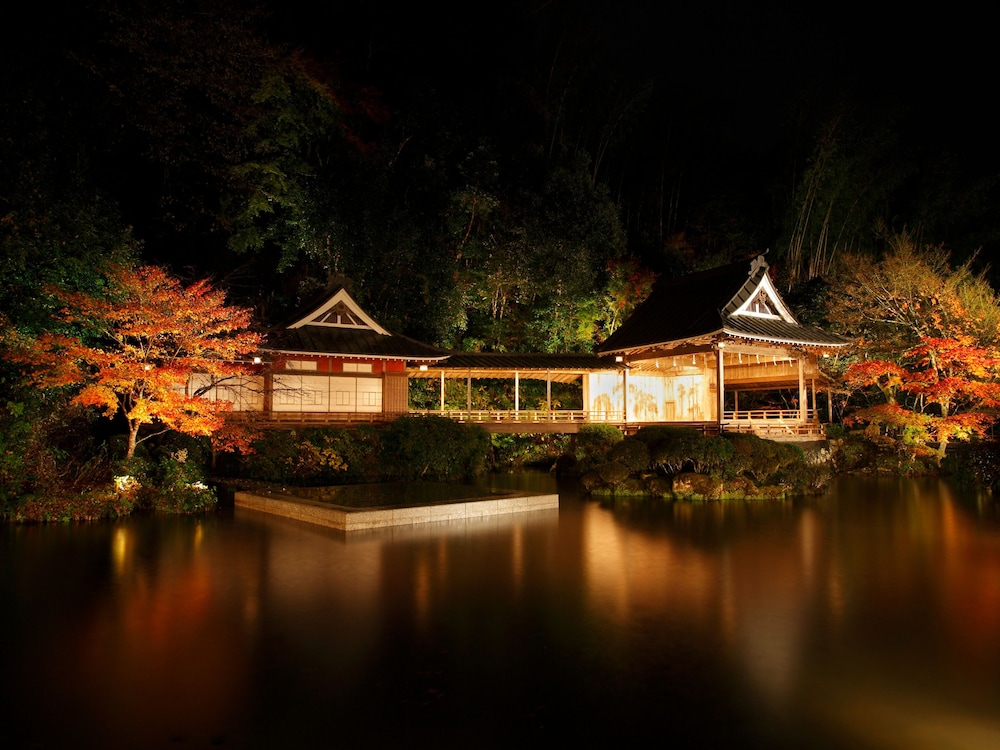
Founded in 1872 on the Katsura river in Shuzenji Onsen. Every bath is free-flowing hot-spring water, and the ryokan describes itself as a registered cultural-property ryokan.
- OnsenYesFree-flowing in every bath
- Bath in your roomSome roomsHot-spring bath in some wings
- Private bathYesHisui free; Suiren ¥1,100, 45 min
- TattoosNot allowedNot allowed in the large baths
- MealsMonthly kaiseki; three-tier breakfast boxIn your room or the dining room
- Dietary needsSome dietsAllergies if told ahead
- ChildrenWelcomeWelcome, with child rates
- Check-in and dinnerCheck-in 15:00; out 11:00
- Getting thereNo pick-up; 10-minute bus, then walk
Good to know before you book
- The Tenpyo bath has no showersThe Tenpyo large bath has no showers or taps.
- Open-air baths close overnightThe open-air baths are closed from midnight to 7:00; the large baths stay open until 9:00.
- Founded
- 1872
- Baths
- Two large baths, two open-air baths in the woods and two private baths
- Setting
- On the Katsura river in Shuzenji Onsen
- Parking
- Free, 40 spaces, with valet parking
Rooms and their baths
- Indoor bath
Standard 10-mat room with hot-spring bath
Indoor hot-spring bath
- No room photos yetIndoor bath
Semi-special room on the pond
Indoor hot-spring bath
- No room photos yetIndoor bath
Semi-special room Yamabuki, by the stream
Indoor hot-spring bath
Meals in your room
- No room photos yetIndoor bath
Special room Tatsuta, by the stream
Hot-spring bath with a terrace
Meals in your room
- No room photos yetIndoor bath
Special room Yoshino
Hot-spring bath with a terrace
In the Yoshino wing. Meals in your room
- No room photos yetShared baths
Hana wing room, by the stream
Toilet and no bath in the room; use the shared baths
Bamboo-grove view
- No room photos yetShared baths
Standard Japanese room with twin beds
Shower booth and no bath in the room; use the shared baths
The fine print
Last checked November 12, 2026.
- Onsen
Yes. Free-flowing hot-spring water in every bath
An alkaline simple spring. Water is added only when the source runs too hot; nothing is recirculated. Large baths 15:00 to 9:00, swapped between men and women; the open-air baths close from midnight to 7:00.
- Bath in your room
Some rooms. Hot-spring baths in the Yoshino and Kiri wings and most Yuki and Kasumi rooms
Two Yoshino rooms have a terrace bath. Hana, Ayame and Tsuki rooms have a toilet and no bath; the Katsura twin rooms have a shower booth.
- Private bath
Yes. Two private baths: Hisui free, Suiren ¥1,100 for 45 minutes
Hisui needs no booking: lock the door and go in. Book Suiren at the front desk on the day; it can't be booked ahead.
- Tattoos
Not allowed. Not allowed in the large baths
The rule names the large baths; Hisui, the free private bath, locks from inside.
- Meals
Included with some stays. Monthly kaiseki dinner and a three-tier breakfast box
Served in your room or the Seikei dining room, which has two semi-private rooms; fresh wasabi is grated at your table. Room-only plans are sold too (Ikyu).
- Dietary needs
Some diets. Allergies where possible, if told ahead; no separate cookware
Without notice, dishes can't be changed, and severe allergies may mean no meals. One or two disliked foods can be swapped, but the menu is mostly seafood and can't be made without it. Vegetarian diets aren't mentioned.
- Children
Welcome. Welcome, with child rates
Primary-school age and under: 70% of the adult rate with adult meals and bedding, 50% with children's meals and bedding. Infants with no bed or meals ¥5,000 plus tax. Bring baby food; staff will warm it.
- Check-in and dinner
Check-in 15:00, check-out 11:00
Dinner starts at 18:00 or 18:30, chosen at check-in, first come; arrive after 19:00 and there is no dinner. No entry before check-in, but bags are held.
- Getting there
No pick-up; 10 minutes by bus from Shuzenji Station, then 3 minutes' walk
Shuzenji's onsen union doesn't allow station pick-ups. Bus ¥260, taxi about ¥1,600. The ryokan can book a taxi from Mishima Station: ¥7,600 plus ¥400 tolls, 40 to 50 minutes.
Meals
- Dinner
- Kaiseki, with a menu that changes monthly. Fresh wasabi is grated at your table
- Dinner time
- Starts at 18:00 or 18:30, chosen at check-in, first come. Arrive after 19:00 and there is no dinner
- Breakfast
- A three-tier box, 8:00–8:30
- Dining room
- Meals are served in your room or in the Seikei dining room, which has two semi-private rooms
- Chef
- The ryokan says its chef has won national Japanese-cooking competitions
- Outside food and drink
- Not to be brought in
Baths
- Bath count
- Two large baths, two open-air baths in the woods and two private baths
- Water
- Alkaline simple spring, free-flowing in every bath. Water is added only when the source runs too hot; nothing is recirculated
- Large baths
- Open 15:00 to 9:00, swapped between men and women
- Tenpyo bath
- One of the two large baths. It has no showers or taps
- Open-air baths
- Closed from midnight to 7:00. Swapped between men and women
- Private bath
- Hisui is free and needs no booking: lock the door and go in. Suiren is ¥1,100 for 45 minutes, booked at the front desk on the day
- Sauna
- None
Getting there
- Train
- Shinkansen from Tokyo to Mishima (about 1 hour), then the Izu-Hakone railway to Shuzenji (30 minutes). The direct Odoriko limited express takes about 2 hours from Tokyo
- From Shuzenji Station
- No pick-up. The bus takes 10 minutes (¥260), then it is 3 minutes on foot; a taxi is about ¥1,600
- Taxi from Mishima
- The ryokan can book one: ¥7,600 plus ¥400 in tolls, 40 to 50 minutes
- Car
- About 1 hour 10 minutes from Tokyo to the Numazu interchange, then about 1 hour on route 136
- Parking
- Free, 40 spaces, with valet parking
Who it suits
- Suits
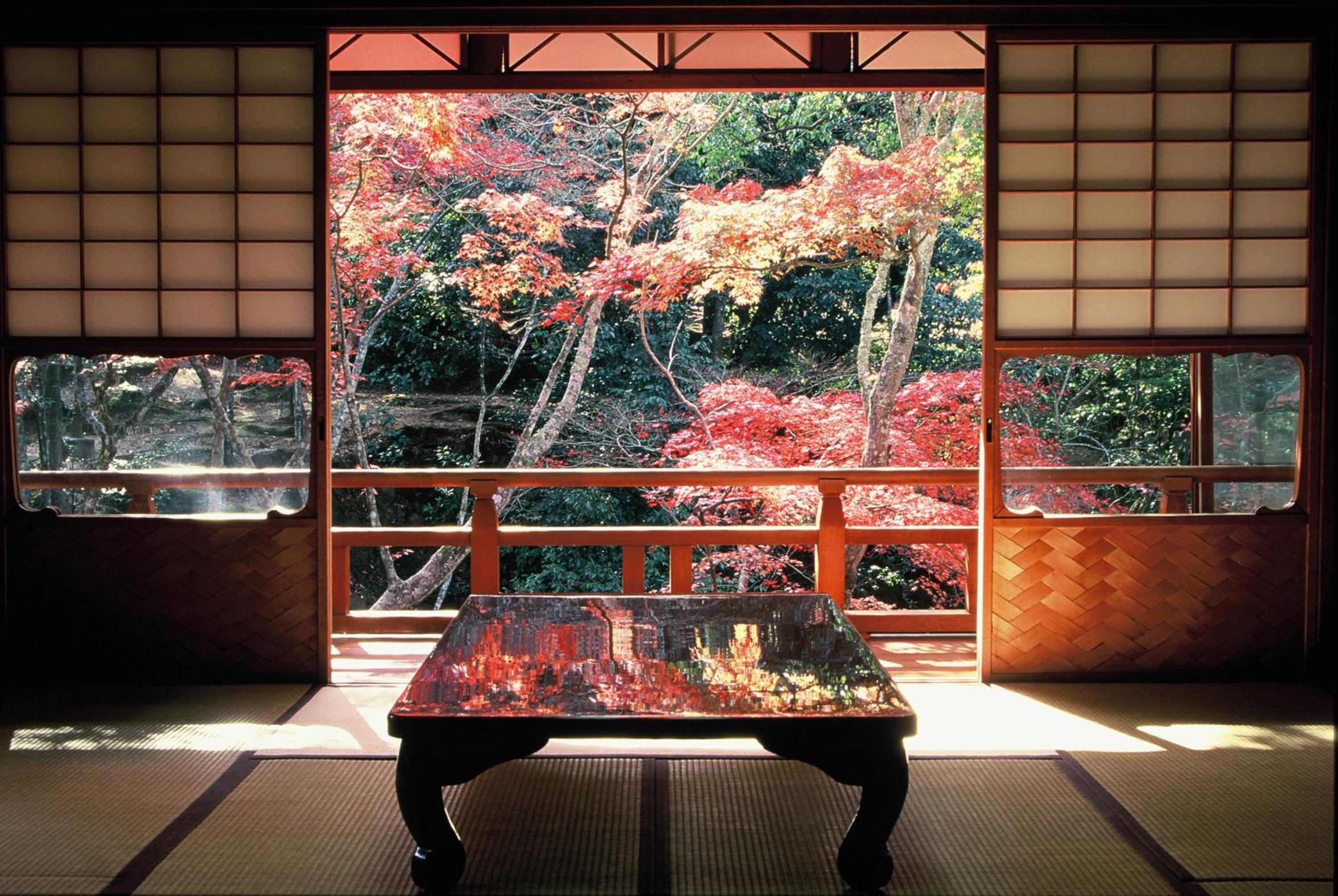
- People who like old buildings and literary history, and bathers who want several baths, all free-flowing
- Children
- Child rates apply to primary-school age and under
- Pets
- Not accepted
History
- 1872
The ryokan is founded in Shuzenji.
- Third owner
The third owner is a friend of painters and writers, and many works are made at the ryokan.
- Today
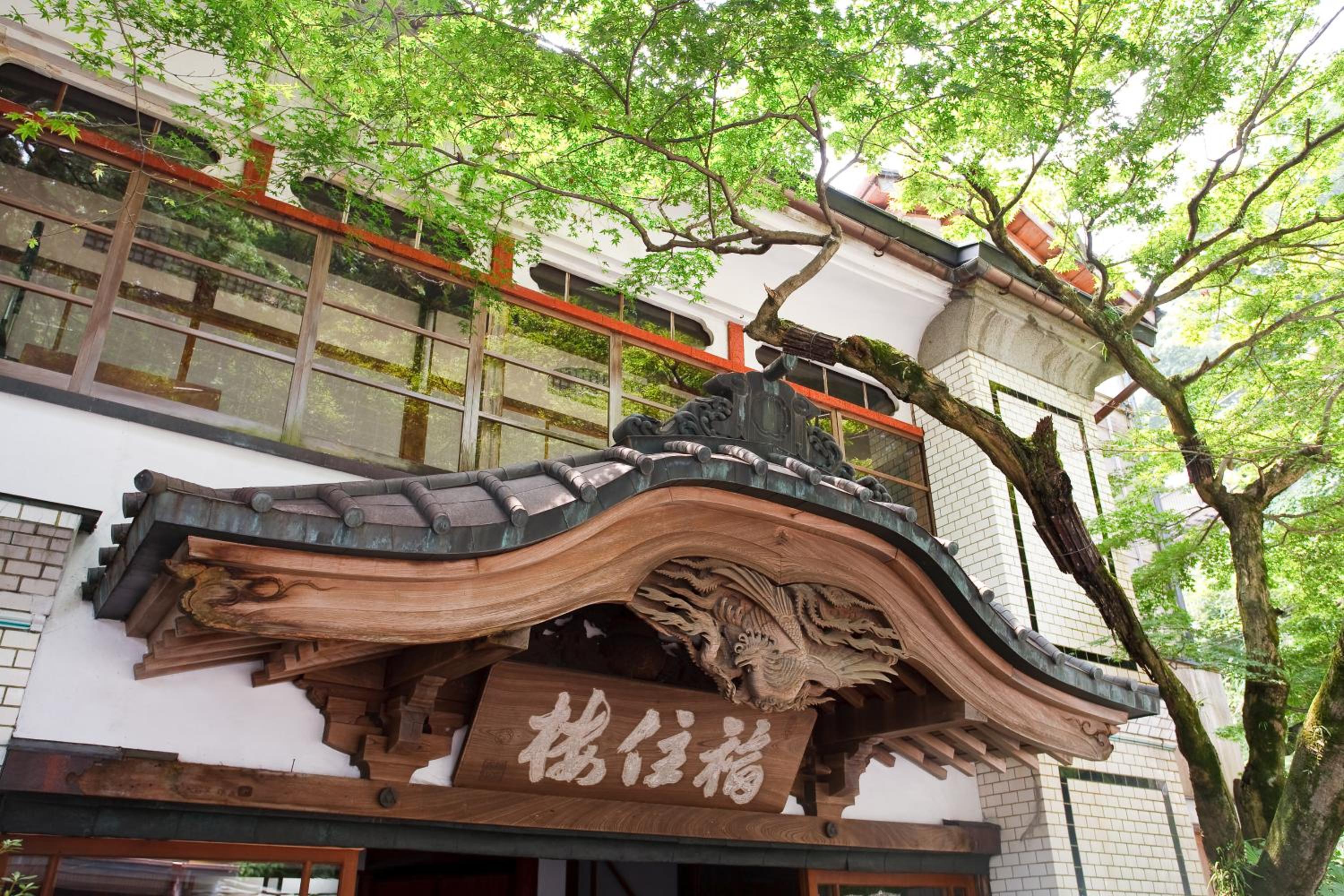
The ryokan describes itself as a registered cultural-property ryokan.
Ryokan elsewhere to compare
Miyajima
Iwaso
Also has rooms with their own bath, on Miyajima, another seaside destination, at about the same price.
Tonosawa, Hakone
Fukuzumiro
Also serves dinner in your room and has rooms with their own bath, in Hakone instead of Izu, at about the same price.
Questions
Is the hot-spring water at Arai Ryokan free-flowing?
Yes, in every bath. It is an alkaline simple spring; water is added only when the source runs too hot, and nothing is recirculated.
Do the rooms at Arai Ryokan have their own baths?
Some do. Rooms in the Yoshino and Kiri wings and most Yuki and Kasumi rooms have a hot-spring bath. Hana, Ayame and Tsuki rooms have a toilet and no bath, and the Katsura twin rooms have a shower booth.
Is there a shuttle from Shuzenji Station to Arai Ryokan?
No. Shuzenji's onsen union doesn't allow station pick-ups. The bus takes 10 minutes and costs ¥260, then it is 3 minutes on foot; a taxi is about ¥1,600.
Can I reserve a private bath at Arai Ryokan?
Not ahead of your stay. Hisui is free and needs no booking: lock the door and go in. Suiren costs ¥1,100 for 45 minutes and is booked at the front desk on the day.
What time is dinner at Arai Ryokan?
Dinner starts at 18:00 or 18:30, chosen at check-in in order of arrival. Guests who arrive after 19:00 are not served dinner.
When was Arai Ryokan founded?
In 1872. The ryokan describes itself as a registered cultural-property ryokan.