Asaba
あさば- Say it
- ah·
sa· ba - Also written
- Asaba Ryokan, Asaba Shuzenji
About Asaba
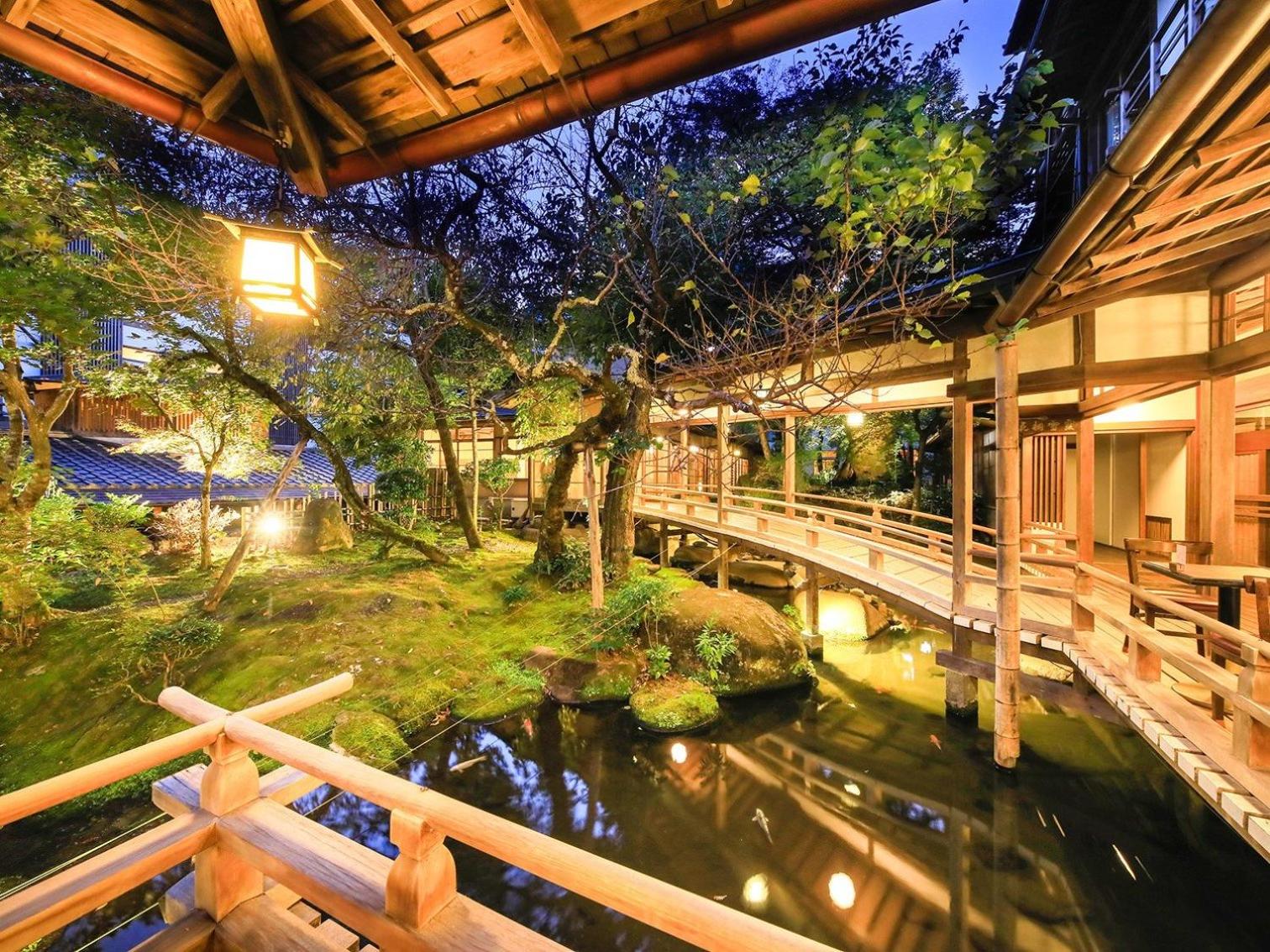
The Asaba family has run this Shuzenji ryokan for more than 500 years, and a Noh stage stands in its pond. Every room has its own free-flowing hot-spring bath, and dinner and breakfast are served in the room.
- OnsenYesFree-flowing Shuzenji spring
- Bath in your roomA hot-spring bath in every roomOpen-air only in the detached villa
- Private bathNoneEvery room has its own bath
- TattoosNot stated
- MealsIncluded with every stayDinner and breakfast in your room
- Dietary needsCatered forRestrictions taken on request
- ChildrenWith limitsAge 7+, except in the detached villa
- Check-in and dinnerCheck-in 14:30–18:00; out 11:30
- Getting there7 min by taxi; no station shuttle
Good to know before you book
- One room has an open-air bathThe detached villa Tenko has the only open-air room bath; Hagoromo's is semi-open-air and the other room baths are indoors.
- Garden-view rooms don't face the stageDodan, Fuji, Hagi and the villa Tenko look onto the garden; the other six room types look across the pond to the Noh stage.
- Your room may changeThe ryokan may change the room you booked on the day.
- Noh stage
- Gekkeiden stands in the pond; six of the ten room types look across to it
- History
- Run by the Asaba family since 1484
- Salon
- Drinks, a library and a pond view, 14:30–23:00 and 6:00–11:30
- Parking
- Free for guests; the ryokan lists 15 spaces
Rooms and their baths
- No room photos yetOpen-air bath
Villa Tenko はなれ 天鼓
Open-air free-flowing hot-spring bath, plus an indoor bath
Detached, 1st floor. Garden view. The one room that takes children under 7
- No room photos yetIndoor view bath
Hagoromo 羽衣
Semi-open-air free-flowing hot-spring bath
1st floor. Faces the pond and the Noh stage
- Indoor bath
Matsukaze 松風
Indoor free-flowing hot-spring bath
2nd floor. Faces the pond and the Noh stage
- Indoor bath
Dodan 満天星
Indoor free-flowing hot-spring bath
2nd floor. Garden view
- Indoor bath
Ugetsu 雨月
Indoor free-flowing hot-spring bath
1st floor. Faces the pond and the Noh stage
- No room photos yetIndoor bath
Kocho 胡蝶
Indoor free-flowing hot-spring bath
1st floor. Faces the pond and the Noh stage. Renewed in spring 2023
The fine print
Last checked November 12, 2026.
- Onsen
Yes. Hot-spring water, free-flowing
Shuzenji's spring, in the open-air bath by the bamboo grove and in every room's bath.
- Bath in your room
Every room. A free-flowing hot-spring bath in every room
Indoors in most rooms. Only the detached villa has an open-air one; Hagoromo's is semi-open-air.
- Private bath
None. None
Every room has its own bath instead.
- Tattoos
Not stated. Not stated by the ryokan
- Meals
Included with every stay. Dinner and breakfast, both in your room
- Dietary needs
Catered for. Dietary restrictions taken on request
A children's menu can be made too.
- Children
With limits. Age 7 and over, except in the detached villa
Children pay the adult rate.
- Check-in and dinner
Check-in 14:30 to 18:00, check-out 11:30
- Getting there
7 minutes by taxi from Shuzenji Station
There is no shuttle from the station.
Meals
- Dinner
- In your room, 17:30–19:30. Local ingredients with additive-free seasonings made the traditional way; some dishes are finished in front of you
- Breakfast
- In your room, 7:30–9:00. Japanese or Western, chosen per person at check-in
- Breakfast dishes
- The ryokan's own wind-dried fish and a fresh rolled omelette
- Extra dishes to order
- Black abalone, wild sea bream baked in salt, spiny lobster, Taiza crab, nodoguro, matsutake and charcoal-grilled wagyu
- Celebrations
- Salt-baked sea bream, flowers, cake and champagne can be arranged
Baths
- Shared baths
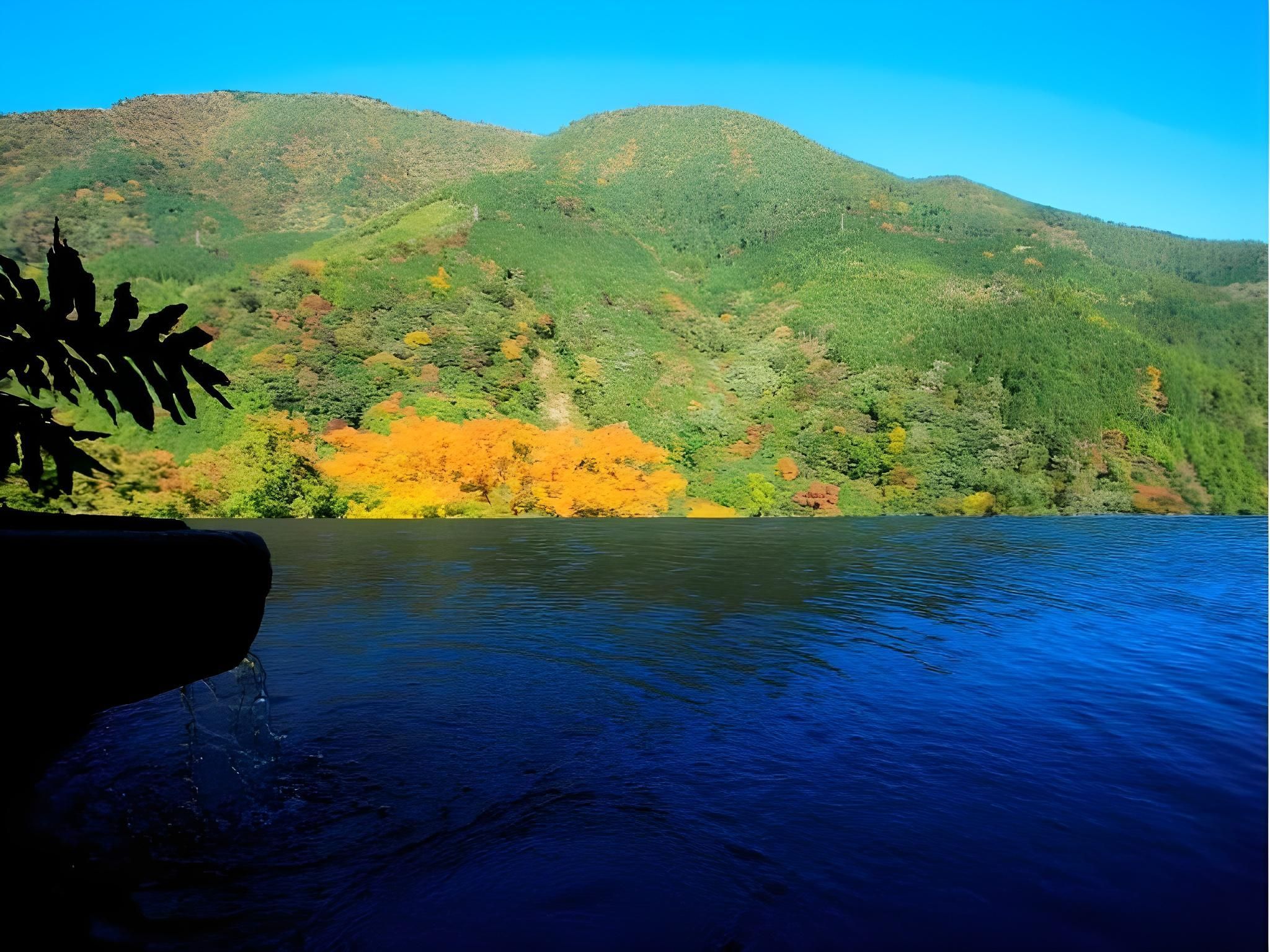
- Two open-air rock baths, one for men and one for women, facing the pond and the bamboo grove. Reopened in November 2026 after renovation
- Bath hours
- Not stated by the ryokan
- Water
- Alkaline simple spring, colourless and clear. Free-flowing in every bath, with water added to cool it
- Room baths
- A free-flowing hot-spring bath in every room, usable at any time
- Private bath
- None; every room has its own bath
- Sauna and large indoor bath
- None
Getting there
- Train
- The Odoriko limited express from Tokyo to Shuzenji, about 120 minutes; or the Shinkansen to Mishima (about 45 minutes), then the Izuhakone Railway to Shuzenji (about 35 minutes)
- From Shuzenji Station
- About 7 minutes by taxi. There is no shuttle
- Taxi
- Fixed-fare taxis are offered from Shuzenji Station, Mishima, Haneda and Narita airports and Tokyo hotels
- Car
- About 50 minutes from the Numazu interchange
- Parking
- Free for guests; the ryokan lists 15 spaces
Who it suits
- Suits
- Couples, a milestone celebration, and people who love Noh and traditional performance
- Children
- From age 7; younger children can stay only in the villa Tenko
- Lift
- There is a lift; the ryokan is not barrier-free
Place and season
- Performances
- Noh, kyogen, shinnai music and dance on the pond stage, all starting at 17:00. The 2026 season ran from 18 March to 9 June
- 2027 season
- Not stated by the ryokan
- Setting
- A bamboo grove, the pond, and the Shuzenji hot-spring town
History
- 1484
Asaba Yakuro Yukitada comes to Shuzenji to found its Soto Zen temple and opens a temple lodging at the gate. The Asaba family has run it ever since.
- About 1900
The seventh-generation head moves the Noh stage Gekkeiden here from Tokyo. The stage was donated by Viscount Maeda Toshiaki, former lord of the Daishoji domain.
- For about 40 years
The Asaba Cultural Journey, a season of Noh, kyogen, shinnai music and dance on the pond stage.
- Today
A member of Relais & Châteaux.
Ryokan elsewhere to compare
Miyanoshita, Hakone
Hakone Ginyu
Also serves dinner in your room and has an open-air bath in every room, in Hakone instead of Izu.

Questions
Can children stay at Asaba?
From age 7, at the adult rate. Younger children can stay only in the detached villa, Tenko.
Which rooms at Asaba have an open-air bath?
Only the detached villa Tenko, which also has an indoor bath. Hagoromo has a semi-open-air bath. Every other room has an indoor bath, and all of them use free-flowing hot-spring water.
Which rooms at Asaba face the Noh stage?
Kocho, Matsukaze, Ugetsu, Asagi, Moegi and Hagoromo look across the pond to the stage. Dodan, Fuji, Hagi and the villa Tenko look onto the garden.
When are the Noh performances at Asaba?
On set dates, starting at 17:00 on the stage in the pond. The 2026 season ran from 18 March to 9 June and included Noh, kyogen, shinnai music and dance; the 2027 dates are not yet stated by the ryokan.
Is there a shuttle from Shuzenji Station to Asaba?
No. The ryokan is about 7 minutes by taxi from Shuzenji Station, and it offers fixed-fare taxis from the station, Mishima, Haneda and Narita airports and Tokyo hotels.
Where are meals served at Asaba?
Both meals are served in your room: dinner between 17:30 and 19:30, breakfast between 7:30 and 9:00. Breakfast is Japanese or Western, chosen per person at check-in.