Ryokan in Kumano Kodo
熊野古道Pilgrimage trails through the forested mountains of the Kii Peninsula, a World Heritage Site since 2004. Walkers stay in three hot-spring villages near the shrine of Kumano Hongu Taisha: Yunomine, Kawayu and Watarase. Kii-Tanabe, where the buses start, is about 2 hours from Shin-Osaka by limited express.
Choosing an area in Kumano Kodo
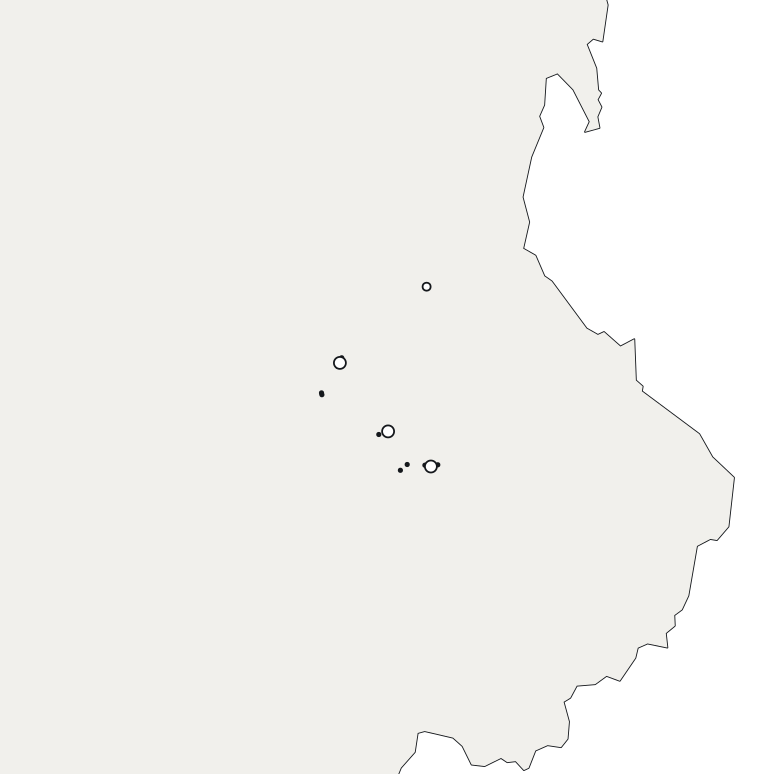
- Yunomine Onsen
- Watarase Onsen
- Kawayu Onsen
- Kumano Hongu Taisha
Yunomine Onsen 湯の峰温泉
A tiny village in a narrow valley around Tsuboyu, the only hot spring that is part of a World Heritage Site.
Kawayu Onsen 川湯温泉
Hot water rises through the riverbed of the Oto River, so guests dig their own pools at the water's edge.
Watarase Onsen 渡瀬温泉
A riverside spring between Yunomine and Kawayu.
Kumano Kodo through the year
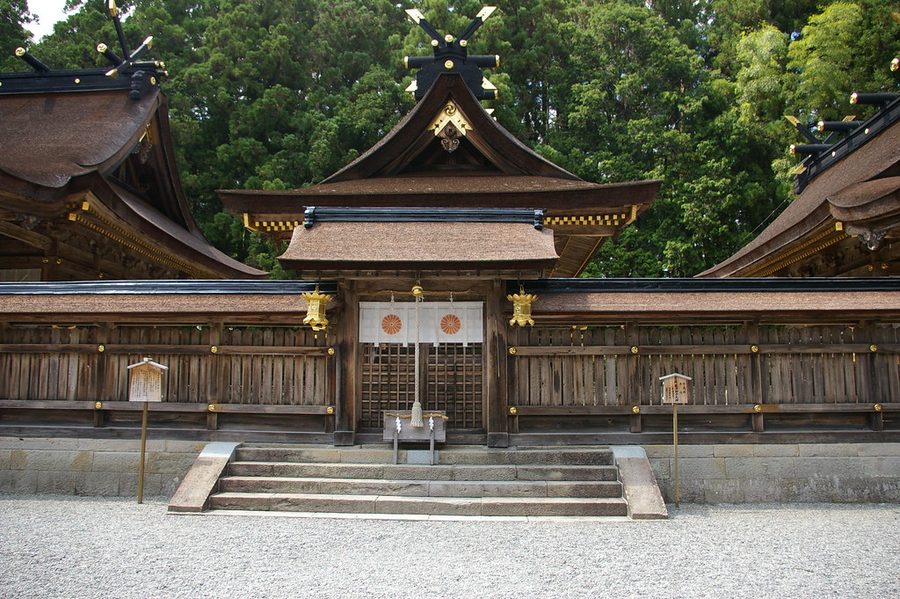
Spring春
March to May
On 13 April, Yunomine's yunobori rite carries the village's hot water to Kumano Hongu Taisha for the shrine's spring festival.
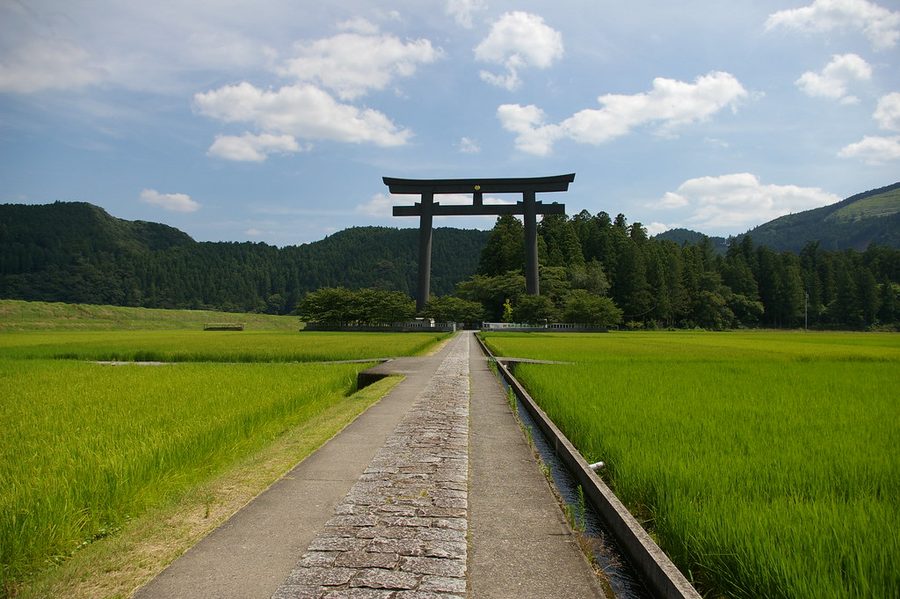
Summer夏
June to August
The river at Kawayu is for swimming in summer.
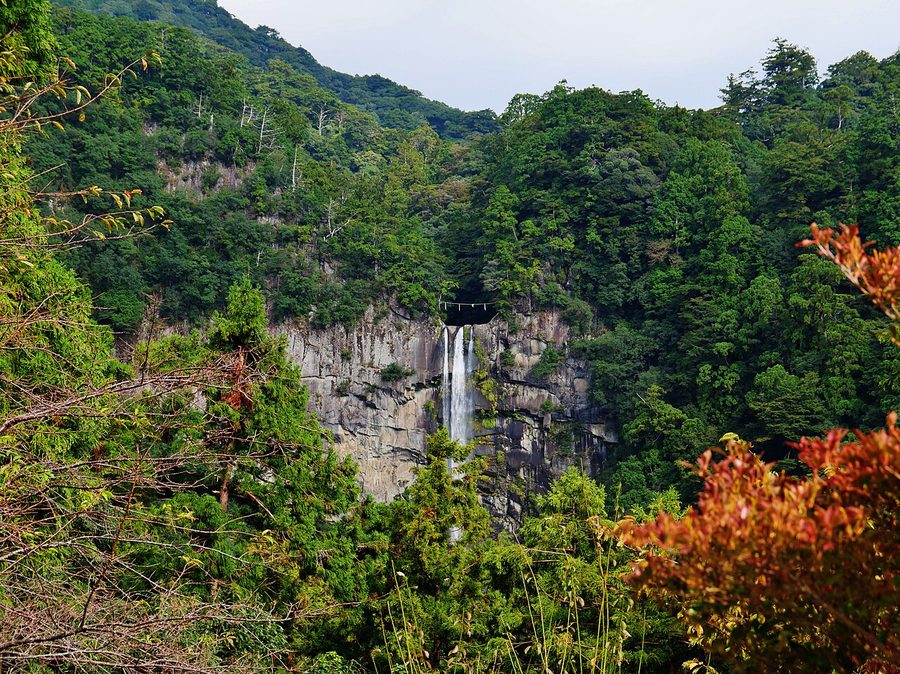
Autumn秋
September to November
In September or October the three villages offer their hot water to Kumano Hongu Taisha together.
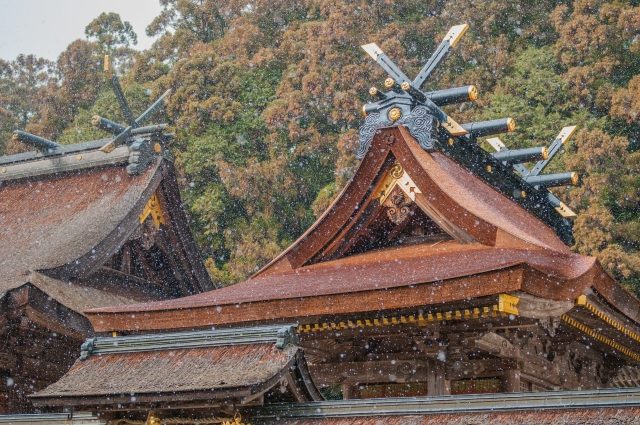
Winter冬
December to February
From December to February, Kawayu dams the river into the Sennin-buro, an open-air bath about 40 metres long.
The ryokan
Ryokan in Kumano Kodo are coming soon.
Photo credits
Nao Iizuka, CC BY 2.0, via Flickr; Zairon, CC BY 4.0, via Wikimedia Commons